Coloring and Fine Motor Skills: What to Expect by Age
By the ColorNook editors · Updated 2026-11-29
Coloring is one of the easiest ways to give small hands regular practice. Children use the same small muscles and hand-eye coordination for coloring that they later use for writing, buttoning and cutting. You do not need special worksheets: the right page, the right tool and a few minutes a day are enough.
This guide walks through what most children can do at 3, 4 and 5 years, based on the CDC's developmental milestones, and how to choose pages that fit. Milestones are things that most children (75% or more) can do by a certain age, according to the CDC, so many children reach them earlier and some later.
Ages 2 to 3: big movements and bold scribbles
At this age coloring is mostly about making marks and enjoying color. Expect big arm movements, scribbles that run off the page and a whole-hand grip.
The CDC lists these milestones by 3 years that relate to hands and drawing: - Draws a circle, when you show him how. - Strings items together, like large beads or macaroni. - Uses a fork.
The CDC's tips for 3-year-olds include giving your child "an 'activity box' with paper, crayons, and coloring books" and coloring and drawing lines and shapes together. It also suggests playdough (squishing, pinching and rolling) because it "builds her hand and finger muscles for writing, buttoning, and cutting."
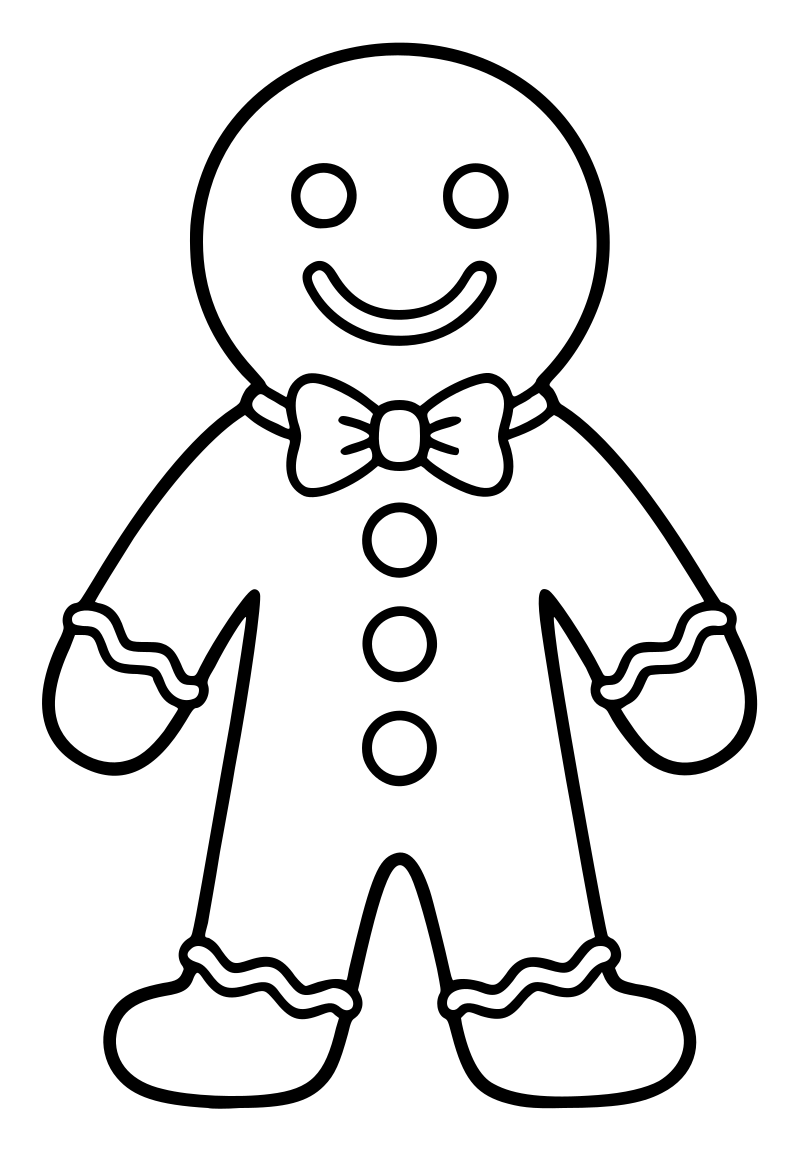
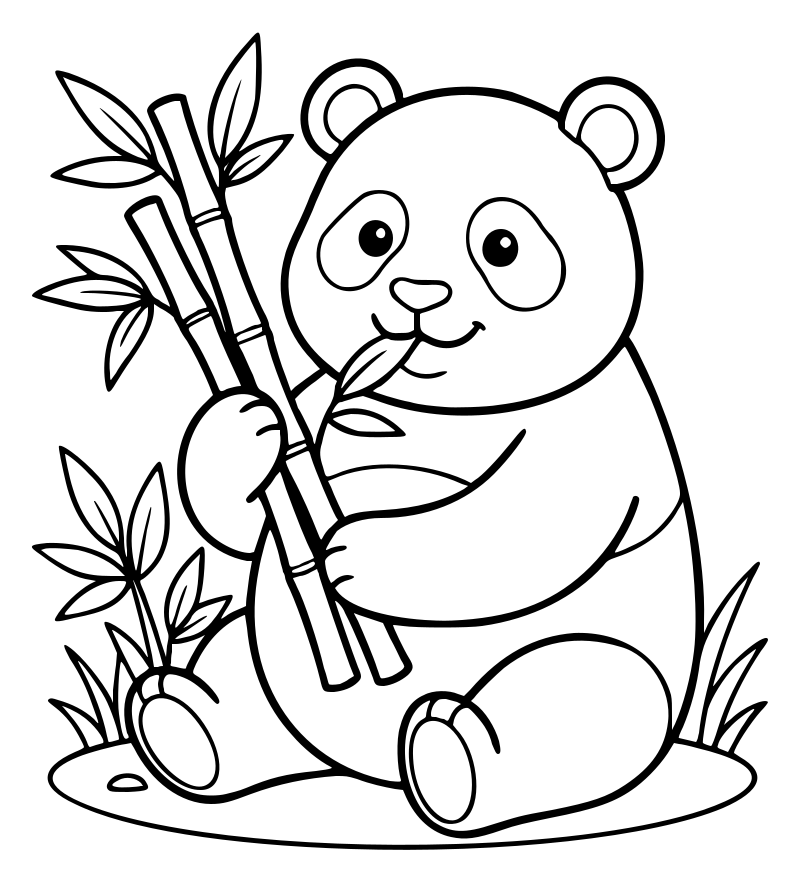
Pages that fit: very simple outlines with a few large areas, such as the gingerbread man or the panda eating bamboo. Tape the page to the table so it does not slide.
Age 4: from fist to fingers
The big change around four is the grip. By 4 years, the CDC lists "holds crayon or pencil between fingers and thumb (not a fist)" and "draws a person with three or more body parts." Children also start to name a few colors.
With a finger grip, children can slow down, steer and start to aim for the inside of a shape. Their coloring is still loose, and that is fine.
Ways to help: - Offer regular-size crayons and short colored pencils alongside chunky ones. Short tools naturally encourage a finger grip. - Talk about colors while coloring: "What color should the scarf be?" The CDC suggests helping children learn about colors, shapes and sizes in daily life. - Show, do not correct. Color your own copy next to your child rather than fixing theirs.
Pages that fit: easy pages with a few medium-sized areas, like scarves, hats and simple animals.
Age 5: more control and longer focus
By 5 years, the CDC lists that most children write some letters in their name, button some buttons, and pay attention for 5 to 10 minutes during activities such as story time or arts and crafts (screen time does not count).
That attention span matters for coloring. A five-year-old may happily finish a medium page in one sitting, or color part of a page and come back to it later. Both are normal.
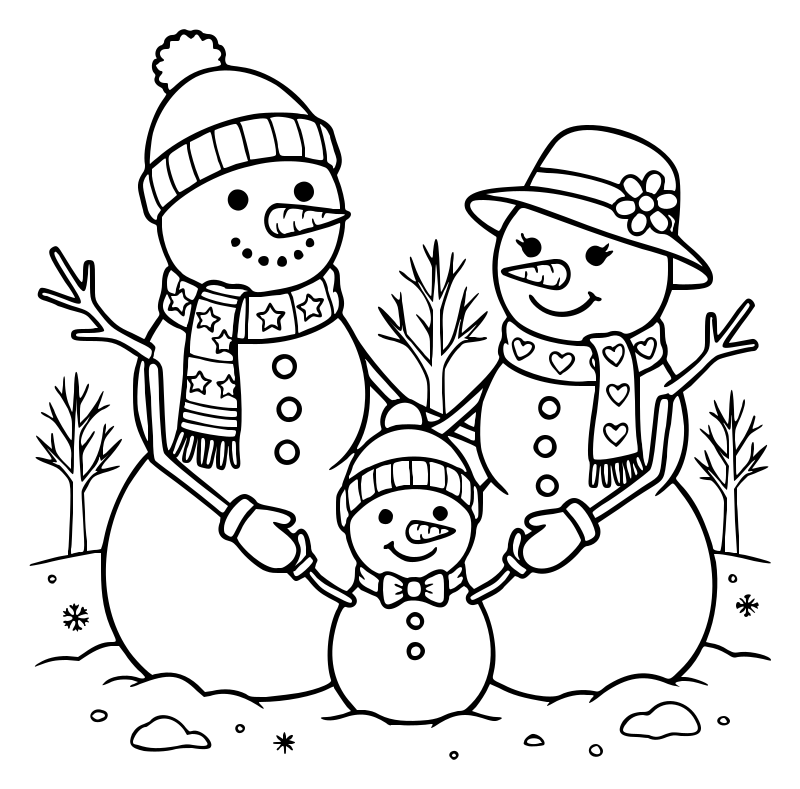
Pages that fit: medium pages with a mix of big and small areas, such as the snowman family. Children this age often enjoy adding their own patterns: dots on a scarf, stripes on a hat.
Ages 6 and up: detail, patterns and choices
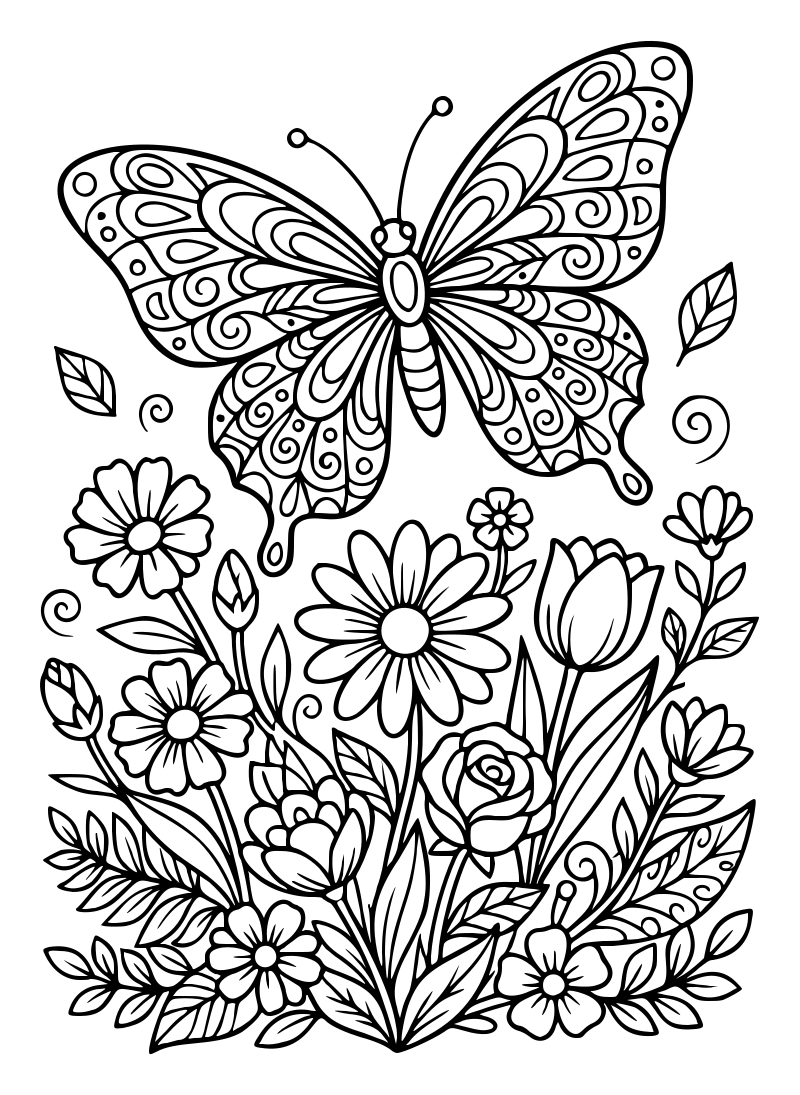
School-age children can usually handle smaller spaces, sharper pencils and more complex scenes like the butterfly garden. They also start to plan colors, repeat patterns and try shading.
At this stage, variety keeps coloring interesting: alternate between quick easy pages and longer detailed ones, and let children choose their own tools.
Matching pages to your child, not just the age
Every coloring page on ColorNook is labeled with a level:
| Level | Typical fit | What it looks like |
|---|---|---|
| Easy | About 3 to 6 | Big shapes, thick outlines, few details |
| Medium | About 6 to 10 | A mix of big and small areas, a simple scene |
| Detailed | Older kids and adults | Many small spaces, mandalas, busy scenes |
Use the level as a starting point. If a page causes frustration, drop down a level. If your child finishes quickly and asks for more, try the next level up.
Simple ways to make coloring better practice
- Short and often beats long and rare. Five minutes a day builds more control than one long session a week.
- Change the tool. Crayons, markers and pencils each need a slightly different grip and pressure.
- Sit at a table. Feet on the floor or a step and elbows on the table give a steadier base than coloring on a sofa.
- Mix in other hand play. Playdough, stringing beads and tearing paper for collage all work the same small muscles.
- Praise effort and choices. "You picked bright colors for the fish!" encourages more than "You stayed in the lines."
When to talk to a professional
Coloring is a fun activity, not a test. That said, the CDC encourages parents not to wait if a child is not meeting several milestones, has lost skills they once had, or if you have other concerns. Talk with your child's doctor and ask about developmental screening. The CDC's milestone checklists and free Milestone Tracker app can help you keep notes to share.
The takeaway
Choose pages that match your child's grip and patience today, keep sessions short and positive, and let skills grow with practice. Start with our easy animal pages and move up as your child is ready.
Frequently asked questions
At what age do children hold a crayon properly?
The CDC lists holding a crayon or pencil between the fingers and thumb, rather than in a fist, as something most children do by 4 years. Many start earlier and some later.
Should I worry if my child colors outside the lines?
Not on its own. Staying inside lines takes hand control, attention and practice, and it improves gradually through the preschool years. If you have broader concerns about development, talk with your child's doctor.
How long should a preschooler color for?
Follow your child's lead. The CDC notes that most 5-year-olds can pay attention for 5 to 10 minutes during activities like arts and crafts, so short sessions are normal.